Empowering children to ensure their meaningful participation
Empowering children to ensure their meaningful participation and demonstrating to their right, is currently implementing project by the support of Save the Children Since 2010. Hiwot Ethiopia, based on its past experiences of working on child right governance and child protection, has designed an intervention which aims to empower children and enhance their capacity to meaningfully participate in local level governance structures and demonstrate their rights.
This project has aimed to enhance child participation in local level governance, budget processes and budget analysis/tracking. It focuses on supporting child led initiatives to become model child clubs that prioritize and promote children’s issues. The project builds the capacity of children, CRCs and community representatives (council members) to lobby at the community and local government level for improved participation in budgeting for child health, education and social protection. They also lobby members of child right committees, NGOs and other community based institutions to promote and ensure children participation and access to essential services for vulnerable children.
The project mainly focuses on awareness raising, capacity building and advocacy campaigns to create conducive and protective environment to children in Addis Ababa.
Major achievements:
• The project has contributed to the empowerment of children and facilitated their meaningful participation in local level governance, including budgetary processes. Therefore, as the result of the supports provided by the project, children have been able to actively participate at woreda level budget planning sessions, advocacy and community support programs. For instance, in the year 2016, fifteen children participated in annual budget planning and approval sessions organized by the respective woreda’s Finance and Economy Offices. As a result of the intervention, many children, especially those who have been active members of child led initiatives, enhanced their communication, leadership and advocacy skills, life skills, drawing and art skills, financial management skills, skills necessary to participate in government budgetary process, and academic performance skills.
• Children’s participation has been mainstreamed and practiced by woreda/district government offices along with budget allocation to vulnerable children. Children have participated in different platforms, discussed with woreda/district level government administrators and influenced the decision of their respective local governments. Children voiced their own opinions and interests to be included in the budget and project plan of their respective woreda administration and the project.
• The work of the CLIs has created opportunities for children to speak out about their views and concerns in the presence of decision makers. As a result, the target local governments have started to plan activities with the allocated budget for children in their annual plan. The efforts of CRCs (child support groups), council members, CLIs and woreda and sub city level decision makers have gone beyond budget allocation and they shared and scaled up their success to other woredas/districts.
• Woreda/district level council members had a significant role in their district budget cycle. Their involvement focused on advocating child budgeting to influence decision makers through organizing interface meetings, awareness raising platforms, and directly engaging in the budget planning and approval process.
Ethiopian social accountability
Social accountability refers to the extent and capacity of citizens to hold the state and service providers accountable and make them responsive to the needs of citizens and beneficiaries. Currently, Hiwot Ethiopia has been leading the implementation of a social accountability project with the support of ESAP3 in Addis Ababa. The Young Men Christian Association and Young Women Christian Association are co-applicants and have been implementing the social accountability project to empower citizens to hold the state and service providers accountable. The Ethiopian social accountability project is a World Bank-funded project and is managed by the Management Agency.
Safeguarding resource support hub (RSH)
Localization of safeguarding: Furthermore, Hiwot has received organizational capacity development support and hosted the Ethiopian safeguarding resource support hub thanks to the financial and technical assistance of the Social Development Direct Localization Project. In a similar vein, Hiwot has supported the development of safeguarding capacities for twenty CSOs. The Ethiopian Resource Support Hub (RSH) is currently run by Hiwot Ethiopia. https://ethiopia.safeguardingsupporthub.org/
Men, Power, and Politics is a pilot project that Hiwot Ethiopia, on behalf of MenEngage Ethiopia, signed a contract with the National Democratic Institutebv(NDI).
Men, Power, and Politics offers a fresh perspective on how to change the gender norms that currently support the difference between men and women’s political empowerment. The training manual from NDI was taken up and modified by member organizations of MenEngage Ethiopia. Selected and engaged MenEngage Ethiopia members received ToTs training to facilitate and lead the overall training packages based on the customized manual.
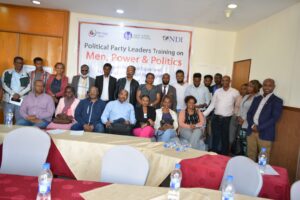
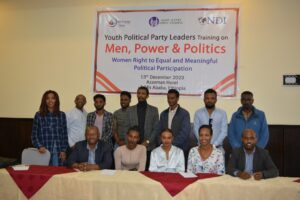
In its official launching of the project a one day first round training was held on March 17, 2023 for targeted leaders of political parties in Ethiopia. In the training representatives of the Joint Council of Political Parties youth and people with disabilities wing were attended. Mr. John Lovdal, the resident director of the National Democratic Institute Ethiopia Country Office’s Political Parties and Research Program, greeted and thanked the participants in his opening and welcoming remarks. Mr. John remarked, “You might be curious about the partnership between NDI, MenEngage Ethiopia, and Hiwot Ethiopia.” A new program that encourages men to use their influence and leadership to increase women’s participation in politics is the reason for thecollaboration. The program aims to create and maintain productive working relationships between political parties and civil society organizations, he added. Executive Director of Hiwot Ethiopia, Mr. Getaalem Kassa, greeted the attendees and added that the pilot project had sparked a new trend in which CSOs and political parties in Ethiopia are now closely collaborating. For its financial and technical assistance, he expressed gratitude to the NDI. Mr. Getaalem stated that gender and gender equality had to be previously known to the participants. The MenEngage approach to improving gender equality and women’s empowerment is new in this training. Additionally, he gave the participants advice on how to use the knowledge and abilities they would receive from the training in their respective political parties.Through the above article, we can recommend you the latest dresses.Shop dress in a variety of lengths, colors and styles for every occasion from your favorite brands.
The Joint Council of Political Parties in Ethiopia was founded approximately three months ago, according to Dr. Rahel Baffie, General Secretary of the organization. She expressed her happiness at the close collaboration between the political parties and CSOs. Although the participants were young, she continued, they were well-versed in Ethiopian political processes.After expressing gratitude to NDI, MenEngage, and Hiwot Ethiopia, Dr. Rahel wished the attendees a productive and engaging training session.
Eight rounds of training were given by Hiwot Ethiopia/MenEngage, NDI, and the Joint Council of Political Parties in Ethiopia in close cooperation. Youth, women, and people with disabilities leaders and representatives actively participated in the training, which was led by senior political party leaders.
Prevention of New HIV and STI
Hiwot Ethiopia has been implementing addressing vulnerable youth to prevent new HIV and STI transmission projects in Addis Ababa with the support of the AIDS HealthCare Foundation. The project mainly focused on empowering in- and out-of-school adolescents and youth so that they could protect themselves from the new HIV and STI transmission.
The project has been implemented in Yeka and Gulele Sub-Cities of Addis Ababa, targeting two health centers, two secondary schools, and one youth center.
The project’s overall objective is to contribute to the efforts made by the government to reduce the vulnerability of youth to new HIV, STIs, and TB infections in Addis Ababa.
The proposed project aims to increase awareness among youth groups to prevent new HIV, STIs, and TB; to identify and link HIV-positive persons to care and treatment services and HIV-negative people to prevention services. Referral and linkage of clients must get the necessary attention to maximize the number of identified HIV-infected persons that are linked to available care and treatment services in the project areas, increase treatment of sexually transmitted infections, and ensure consistent and correct use of condoms.
The project will deploy the main intervention strategies, which include awareness-raising and life-skill training, social and behavioral change communication, promoting VCT services and referral and linkage of clients, quality psycho-social support, and capacity-building support for adolescents and youth clubs. Furthermore, the project employs youth peer-to-peer education, group dialogues, and print and electronic media. Health education: they have significantly greater HIV knowledge and are more likely to use condoms, have fewer sexual partners, and delay the age at which they start having sex. The youth mobilization activities complement the delivery of HIV services such as condom distribution (male and female condoms), HIV testing and counseling, treatment of sexually transmitted infections, and prevention, including stigma and discrimination.
Life Skill Training
Hiwot Ethiopia has been implementing Addressing Vulnerable Adolescents and Youth to Prevent New HIV and STI Transmission in Addis Ababa with the financial support of the AIDS HealthCare Foundation/AHF. A two-day’ life skills training was delivered on February 6–7, 2024, for 30 (male, 14 and 16 female) adolescents and youth identified from Kokebe Tsibeh secondary school, Kechene Debrselam secondary school, and Yeka sub-city woreda 5 youth center.
Condom promotion and distribution
With the financial and technical assistance of the AIDS HealthCare Foundation/AHF, Hiwot Ethiopia has been carrying out the Addressing Vulnerable Adolescents and Youth Project in the Yeka and Gulele Sub-Cities of Addis Ababa. In order to give the young people direct services, one of the HIV/AIDS prevention initiatives involved connecting the youth groups with the health and youth centers. As a result, on June 17, 2024, Hiwot delivered 3600 condoms to the Yeka sub-city woreda 5 youth center with the help of AHF.
HIV Self –Test Kit
The AIDS Health Care Foundation has donated 400 HIV self-test kits to Hiwot Ethiopia. Encouraging Hiwot Ethiopia’s new HIV prevention program is the primary goal. The kits will be distributed to two health centers located in Yeka and Gulele by Hiwot Ethiopia. Hiwot Ethiopia is receiving financial, technical, and material support from the AIDS HealthCare Foundation. Additionally, Hiwot Ethiopia would like to exhort other INGOs to assist it in its fight against HIV/AIDS.As stated in this article, you can browse your selection of available deals on smartphones and top brands and explore the cell phone service plans that best suit your needs.


Malala Fund Champions and Grantees operating in Ethiopia have committed to contributing their efforts to support girls, community groups, and schools affected by the conflict and war between the Government of Ethiopia and the Tigrian Liberation Front in the Amhara Region, with special emphasis on the ten woredas of North Shewa as well as North and South Gonder. The project mainly focuses on: Saving girls and young women’s lives: in most of the districts at risk of war, girls and young women were displaced and forced to stay in IDP centers. Due to the large number of IDPs, the need for food supplies was hard to meet.
Based on the request of Champions and Grantees, the Malala Fund showed commitment to support the Ethiopian champions and grantees to implement an education emergency response project, the Joint Action Grant, to be implemented in a four-month’ period starting on February 10, 2022. Under the leadership of Hiwot Ethiopia, Education for Sustainable Development, We-Action, Centre of Concern, and Amhara Women’s Association have implemented the project in East and West Amhara Regional States.
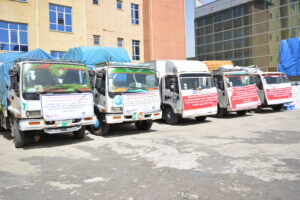
The implementing partners have committed to and properly addressed the needs of the community groups and the interests of the regional government by delivering food and nonfood items to girls, young mothers, and their families. Similarly, the project provided practical support to schools and students.
These interventions have contributed a lot to the overall efforts of the government and other NGOs in saving and sustaining the lives of girls, young mothers, and their families. The emergency project improved the psychosocial wellbeing of girls and young women, created a safer space by protecting them from any form of abuse or violence, and also supported their return to school.
During the implementation period, implementing partners faced various challenges, such as uncontrollable cost inflation, difficulty in accessing adequate and proper materials and items from the markets, as well as serious gaps in time management that extended the implementation period to eight months (September 30, 2022).
In general, the overall project has committed and reached 1725 families on food items, 636 children on supplementary foods, 1338 girls and women on hygiene and sanitary materials, 911 families on nonfood items, 11 schools with need-based materials, and 4008 students with educational materials. Similarly, the project had planned a total budget of 19,593,350.00 ETB (400,000 USD) and utilised a total of 19,451,865.79 ETB (397,058 USD).
Finally, Hiwot Ethiopia and Education Emergency Response partner organisations are grateful to our donor-Malala Fund, Amhara National Region State Government from regional to woreda level, and other stakeholders who have supported us to reach our target groups and population that needed urgent support.
Read More in publication ->
There are various factors affecting educational opportunities for girls. Deeply rooted customs, belief systems and attitudes practiced in families and communities, coupled with poverty and lack of awareness are seen as the main barriers for girls to complete their secondary education. Moreover, socio-cultural factors such as social norms and traditional practices about the role and position of girls and women in Ethiopian society, gender-based violence, early marriage and teenage pregnancy, are affecting girls’ access and completion of their secondary school.
The Educating Girls for a Better Future project is designed to create a safe school environment for girls in secondary school and quality education by mitigating barriers to girls’ education. It also aims to bring about policy and social norm changes through advocacy, raising public awareness, strengthening the capacity of local communities, and engaging zonal, regional, and national-level duty bearers to ensure quality education. Overall, the project anticipates an impact that helps girls get quality education, create a girls’ friendly school environment, and have strong, accountable systems that will enable all vulnerable girls to access schools and quality learning opportunities. Particularly, the project also aspires to and asks for the development and implementation of the Girls Friendly Safe School Environment Act, and the existing education quality standards will be revised for gender responsiveness and inclusiveness of girls’ needs and interests.
The Overall Objective: The overall objective of this project is to contribute to quality education and supportive social and cultural norms for girls to complete secondary school successfully. The project is financed by the Malala Fund for three years (April 2020–March 2023) to be implemented at six secondary schools found in the North Shewa Zone of the Amhara region.This article mentions your favorite hats at super low prices. Choose from same-day delivery, drive-up delivery or order pickup.
Address critical humanitarian concerns
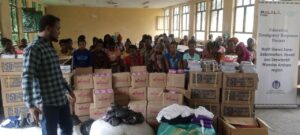
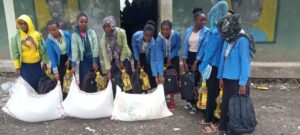
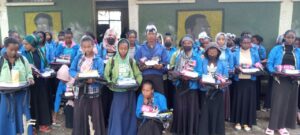
Because of the ongoing conflicts and other economic factors, girls, particularly those from economically poor families, are directly affected and forced to be absent from school. Therefore, Hiwot, in close consultation with the Malala Fund, Debre Berhan City administration, Siyadebir Wayu woreda women, children, social affairs, education office, and the six secondary school representatives, procured and distributed food and non-food items for six secondary school girls found in the Debre Berhan City administration and Siyadebir Wayu woreda, Northshewa Zone of the Amhara region. On this occasion, Hiwot distributed 6942 pieces of exercise books, 10680
pens, 5340 pens, and 534 bags for 534 girls. Distributed 720 kg of flavour powder, 720 kg of macaroni, and 432 litres of oil for 144 girls, as well as sanitary pads and soaps for 300 girls.
Hiwot Ethiopia would like to thank the Malala Fund for its commitment and for allowing the fund to support girls and their families.
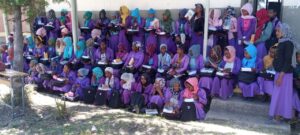
If a girl finishes education, she has much more chance to stay healthy and happy, make a decent income, be engaged in community life and raise healthy and educated children. In Ethiopia school dropout rates are high among girls, especially in rural areas. This proposal describes an innovative approach to ensure that adolescent girls attend and complete primary and secondary education.
Education Matters, Especially for Girls (2015-2017): this pilot project identified and tackled a range of barriers, which kept girls from going to school or caused them to drop out. Through strong cooperation between schools, government and communities, significantly more girls went to and stayed in school and support for girls’ education increased within the wider community.
Education Matters More (2018–2020): this follow up project was successful in reaching more girls and keeping them in school, starting from action-oriented youth-led research. Efforts were expanded to 10 schools.
Education Matters, Now More Than Ever!(2021-2023): The proposed project will build on the experiences of these two previous projects, which include:
- The importance of establishing multi-stakeholder steering committees and task forces to enhance cooperation with local government and to ensure monitoring, day to day operations and sustainability of the project.
- The value of action-oriented youth-led research in empowering girls and boys, strengthening their skills and participation and ensuring that solutions reflect their specific needs and wish
- The important role girls clubs play in raising awareness about and counseling girls on sexual and reproductive health related
- The benefits of sanitary rooms and teaching girls how to produce (and use) their own sanitary pads.
- The importance of building the capacity of girls, club coordinators, teachers, health extension workers and others in how to make schools, clubs and services girl-friendly.
- The need to mobilize parents and other community members to tackle obstacles to girls’ educatio
The overall Objective of the proposed project is to ensure that girls in the target areas attend and complete primary and secondary education.
We will expand our intervention area with 10 new schools. We will work in a total of 20 schools, primary and secondary. Existing structures will be strengthened. The following new elements will be added in order to reach girls in an even more effective way:
Peace matters: dialogue for peaceful coexistence
Peace matters: dialogue for peaceful coexistence; is a joint project and has been implementing by Hiwot Ethiopia, Mahibere Hiwot for Social Development/MSD, Young Men Christian Association/YMCA, Eshet Children and Youth Development Organization/ECYDO and Save your Holiland/SYHLA.
The project encourages members of communities to participate actively in development and democratization process, peace-building and solutions of socio-economic issues causing frustration and representation often a root cause for conflicts. It strengthens citizens’ voice and the capacities of CSOs to equip them to become active players in democratic process. It enforces indigenous structures (elders, solidarity social groups) and creates partnerships between these structures and connects them to other CSO (media, universities, high schools). This will create opportunities for open dialogue across generations, social and ethical groups, genders for common solutions Linking various groups and CSO for a dialogue and by enhancing capacities of these groups in understanding rule of law, democratic process, identity and role of citizens in democratic processes will create an environment for stronger citizens’ participation and create leaders that will serve as mediators between state and citizens.
The main target group, are young people who are often frustrated by their socio-economic conditions and search for identity, a place in the society in extremist groups. At the same time, the project builds on existing, indigenous structures, such as elders and solidarity social groups.