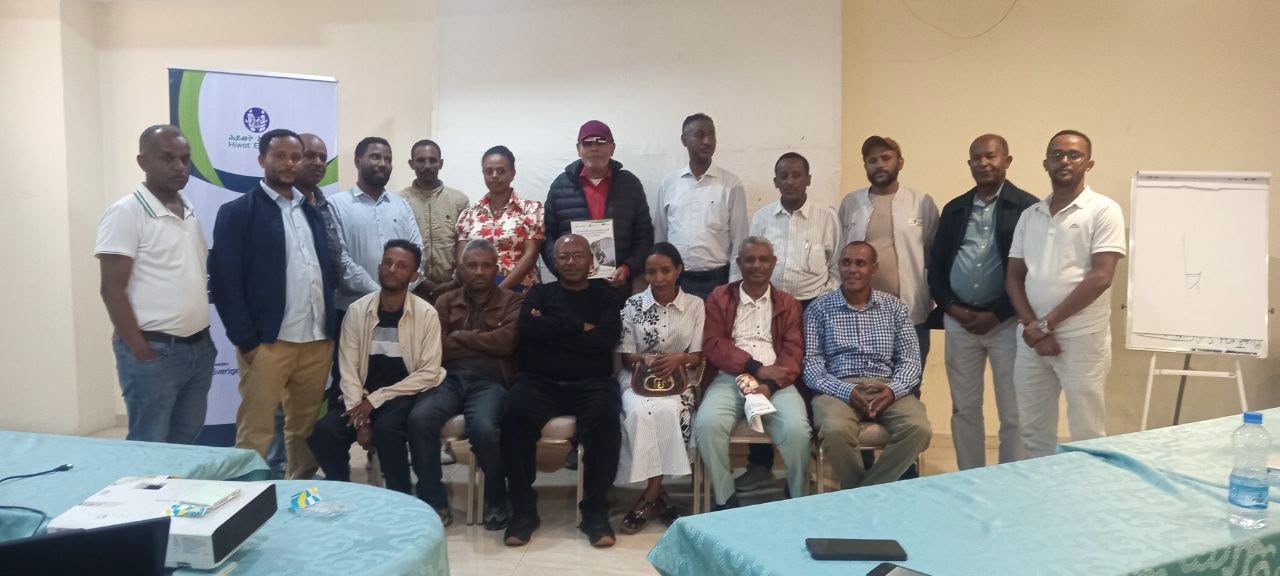
Hiwot Ethiopia, in partnership with Save the Children, organized a two-day training on Investment in Children for Better Child Rights Outcomes for representatives of the Amhara Regional Government in Bahir Dar from August 27-28, 2026.
A total of 17 participants attended the training, representing the Amhara Regional State Bureaus of Finance, Justice, Planning and Development, Women and Social Affairs, Health, and Education. The training aimed to strengthen participants’ understanding of child rights, child-responsive budgeting, and the importance of prioritizing public investment in children to achieve better child rights outcomes.
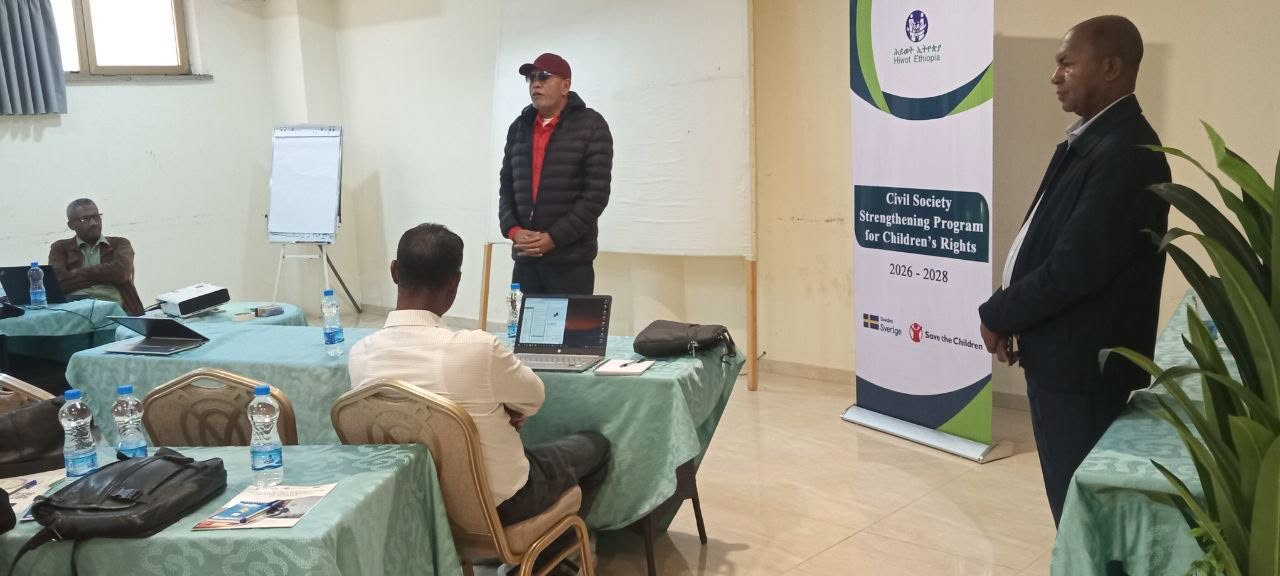
Mr. Getaalem Kassa, Executive Director of Hiwot Ethiopia, and Mr. Yinebeb Tamir, CRG Program Manager, welcomed participants and highlighted the importance of collaboration among government institutions and development partners to promote strategic and sustainable investment in children.
Following the welcome remarks, Mr. Eshetu Alene, Director of the Human Rights Directorate, officially opened the training. He appreciated Hiwot Ethiopia and Save the Children for their continued efforts to strengthen child rights governance and promote investment in children in the region.
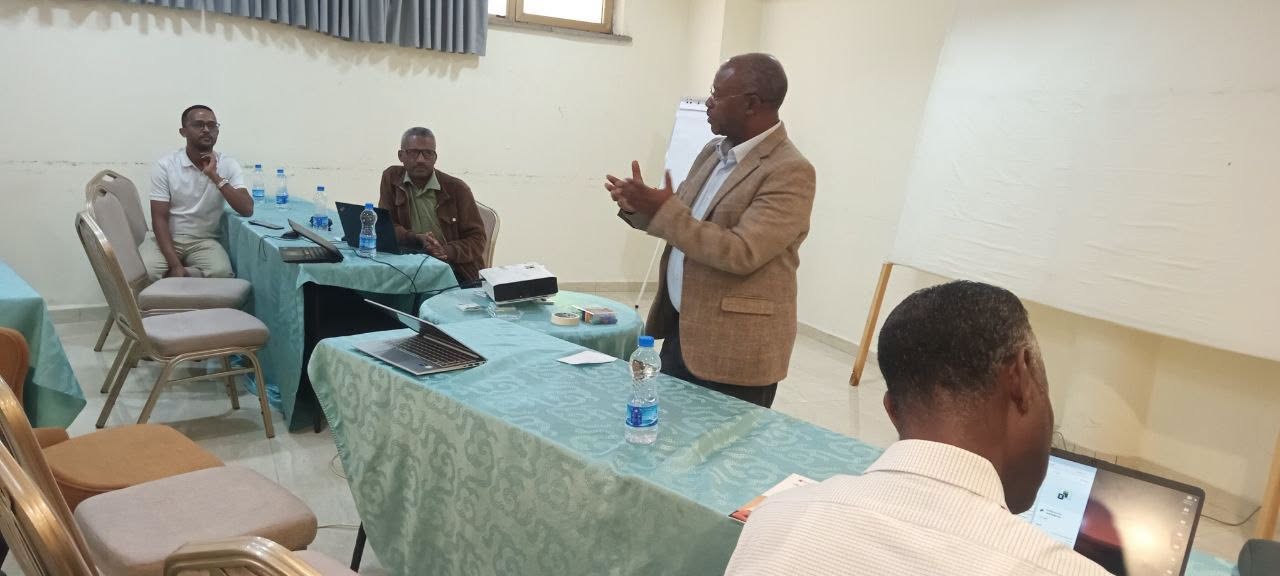
The training sessions were facilitated by Dr. Azmeraw Belay, Head of Child Rights Governance at Save the Children, and Mr. Yinebeb Tamir. The sessions covered key concepts and practices related to investment in children, child-responsive budgeting, and strengthening government systems to improve child rights outcomes.
Mr. Girmaw Berihun, an expert from the Amhara Regional Bureau of Finance, presented the regional budget planning process, including key stages and considerations in budget preparation and allocation. Mr. Alemu Tessema also presented the experiences and lessons of Hiwot Ethiopia and Save the Children over the past three years in promoting investment in children and linking public investment with improved child rights outcomes.
The two-day training provided an important platform for government representatives to exchange experiences, strengthen their knowledge, and identify opportunities to improve child-responsive planning and budgeting in the Amhara Regional State. It also emphasized the importance of coordinated action to ensure that adequate public resources are allocated to priorities affecting children.
Finally, participants agreed to establish a Technical Working Group (TWG) to sustain and strengthen advocacy efforts over the coming three years and beyond. The TWG will work to promote increased and sustained public investment in children and contribute to achieving better child rights outcomes in the region.